

Losing fat is about more than just cutting calories—it involves choosing the right foods that help boost metabolism and keep the body fueled. The best foods for fat loss are those high in protein, fiber, and healthy fats because they support muscle growth, keep you full longer, and increase the number of calories your body burns. Including these foods can make a big difference in reaching fat loss goals.
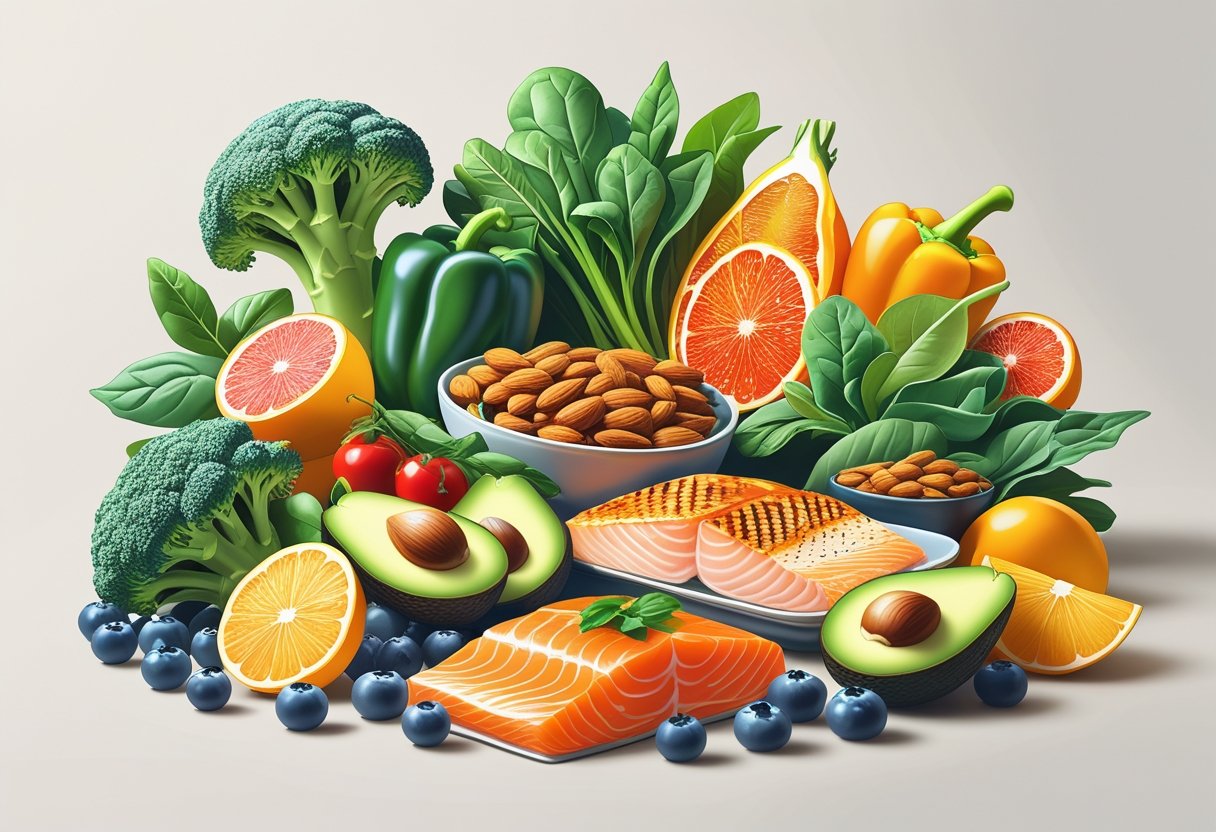
Certain foods, like lean meats, beans, leafy greens, and nuts, provide important nutrients that help maintain energy and improve fat burning. Avoiding heavily processed foods and added sugars also supports lasting fat loss by preventing spikes in hunger and blood sugar. Smart meal choices allow people to stay satisfied while creating a calorie deficit safely.
By focusing on nutrient-dense foods that promote metabolism and satiety, fat loss becomes more manageable and sustainable. This approach helps ensure the body gets what it needs while working toward weight loss without feeling deprived.
Key Takeways
- Protein, fiber, and healthy fats are key for effective fat loss.
- Nutrient-dense foods support metabolism and reduce hunger.
- Avoiding processed foods helps maintain steady energy and appetite control.
Key Principles of Nutrition for Fat Loss
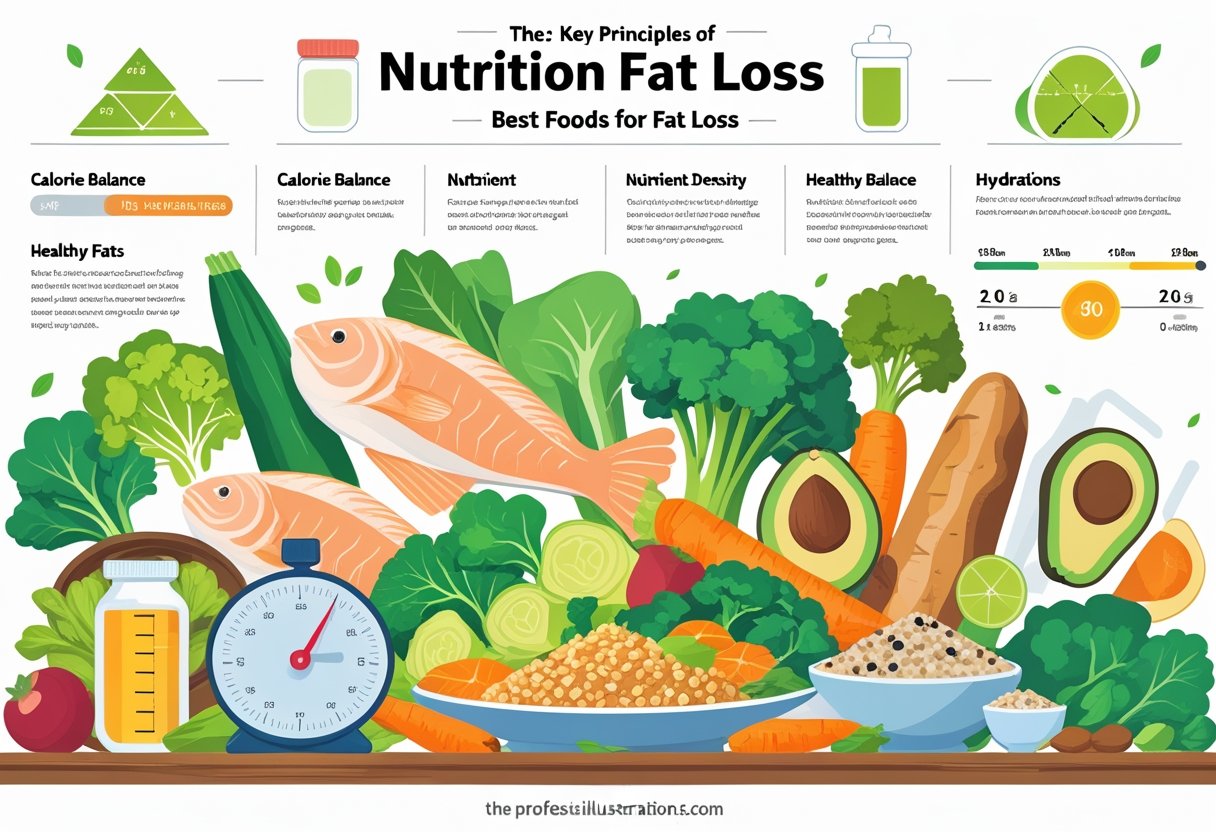
Successful fat loss depends on managing food intake carefully and choosing the right balance of nutrients. Understanding how calories affect weight and how different macronutrients support the body helps make fat loss both effective and sustainable.
Calorie Deficit Explained
Fat loss happens when the body burns more calories than it takes in. This state is called a calorie deficit. To create a deficit, people can eat fewer calories, increase physical activity, or both. The size of the deficit matters; too large a deficit can cause muscle loss and lower energy.
A safe calorie deficit usually ranges from 500 to 750 calories per day. This leads to a steady fat loss of about 1 to 1.5 pounds per week. Tracking food intake and exercise helps keep the deficit consistent and prevents overeating.
Macronutrient Balance
Macronutrients include proteins, carbohydrates, and fats. Each plays a different role in fat loss and overall health. Protein is key for preserving muscle and increasing fullness. Eating enough protein supports metabolism and recovery from exercise.
Carbohydrates provide energy, especially for workouts, but quality matters. Choosing whole grains, vegetables, and legumes over refined carbs keeps blood sugar stable. Fats support hormone function and should come from sources like nuts, seeds, and fish.
A balanced diet typically looks like this:
| Macronutrient | Percentage of Total Calories |
|---|---|
| Protein | 25-35% |
| Carbohydrates | 40-50% |
| Fats | 20-30% |
This balance helps maintain energy, reduce hunger, and support fat loss without sacrificing health.
Best Protein Foods for Fat Loss
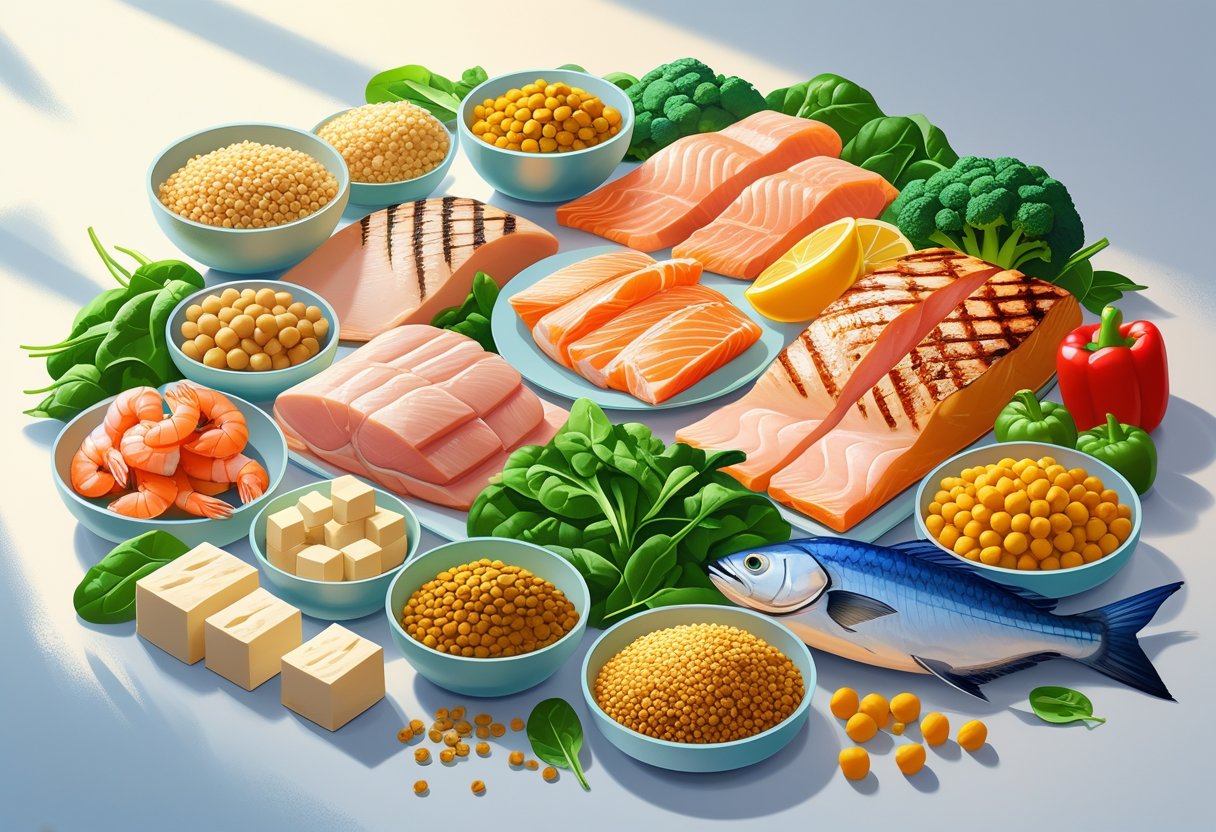
Protein helps burn calories, keeps people full longer, and supports muscle growth during fat loss. Choosing sources high in protein but low in fat and calories is key. Variety in protein types improves nutrition and helps maintain a healthy diet.
Lean Meats and Poultry
Lean meats like chicken breast, turkey, and lean cuts of beef or pork provide high-quality protein without much fat. These meats help maintain muscle while losing fat, which is important for metabolism.
Cooking methods matter. Grilling, baking, or broiling lean meats can avoid added fats. For example, skinless chicken breast has about 26 grams of protein per 3 ounces but only 2-3 grams of fat.
Eating lean meats regularly can support fat loss with essential nutrients like iron and B vitamins. These help energy production and overall health during dieting.
Fish and Seafood
Fish and seafood offer protein with healthy fats like omega-3s, which may help reduce inflammation and support heart health. Salmon, tuna, cod, and shellfish are common good choices for fat loss diets.
Most fish are low in calories but rich in protein. For example, 3 ounces of cooked salmon has about 22 grams of protein and 5 grams of fat, mostly healthy fats.
Seafood also contains vitamins and minerals like vitamin D, iodine, and selenium. These support metabolism and immune function, important during weight loss.
Plant-Based Protein Sources
Plant proteins such as beans, lentils, chickpeas, nuts, seeds, and soy products provide protein with fiber and other nutrients. They can promote fullness and improve digestion during fat loss.
Soy products like tofu and tempeh offer complete protein and are low in fat. For example, 3 ounces of firm tofu has about 8 grams of protein with minimal fat.
Combining different plant proteins throughout the day ensures all essential amino acids are consumed. Plant proteins tend to be lower in calories compared to animal proteins, which may aid fat loss.
Eggs and Low-Fat Dairy
Eggs are a high-quality protein source with important nutrients like choline and vitamin D. One large egg contains about 6 grams of protein and only 5 grams of fat, mostly healthy fats found in the yolk.
Low-fat dairy such as Greek yogurt, cottage cheese, and skim milk also provide protein while limiting saturated fat. Greek yogurt offers roughly 15-20 grams of protein per 6-ounce serving.
These foods support muscle preservation and increase satiety, helping control calorie intake during fat loss. They also supply calcium, which is linked to improved fat metabolism.
Optimal Carbohydrate Foods for Fat Loss
Choosing the right carbohydrates can support fat loss by keeping energy steady and hunger controlled. Certain carbs provide fiber, vitamins, and minerals that aid metabolism and promote fullness, which helps prevent overeating. Focus on whole foods that digest slowly and have a low effect on blood sugar.
Fiber-Rich Whole Grains
Fiber-rich whole grains like oats, quinoa, barley, and brown rice are key for fat loss. They digest slowly, helping maintain steady energy and reducing hunger between meals. These grains provide important nutrients such as B vitamins, iron, and magnesium.
Including whole grains in the diet can improve digestion and support weight loss by promoting a feeling of fullness. Fiber also helps regulate blood sugar and reduces fat buildup around organs. Replacing refined grains with these whole grains has a positive impact on fat loss efforts.
Non-Starchy Vegetables
Non-starchy vegetables such as spinach, broccoli, cauliflower, and peppers are low in calories but high in fiber and water. This volume helps fill the stomach with fewer calories, which can reduce overall food intake.
These vegetables provide antioxidants and essential nutrients while supporting healthy digestion. Because they have very little impact on blood sugar, they help prevent fat storage. Including a variety of non-starchy vegetables also boosts nutrient intake without adding unwanted carbs.
Low-Glycemic Fruits
Low-glycemic fruits include berries, cherries, apples, and pears. These fruits raise blood sugar slowly, which helps control hunger and energy levels. They also provide fiber, vitamins, and antioxidants that support healthy metabolism.
Eating low-glycemic fruits in moderation can aid fat loss by preventing spikes in insulin and reducing cravings. These fruits satisfy sweet cravings without causing rapid blood sugar changes, making them a smart choice for a balanced diet.
Healthy Fats That Support Fat Loss
Certain healthy fats can help reduce body fat by improving metabolism and hormone balance. These fats provide energy, help control hunger, and support the loss of belly fat. Including specific fats in a diet can enhance fat-burning efforts.
Avocados and Nuts
Avocados are rich in monounsaturated fats, which can help lower bad cholesterol and reduce belly fat. They also contain fiber that aids digestion and keeps people full longer. This combination supports fat loss by reducing overall calorie intake.
Nuts, such as almonds, walnuts, and pistachios, offer healthy fats and protein. Eating a small portion of nuts daily may help control appetite and improve metabolism. However, nuts are calorie-dense, so portion control is important to avoid consuming too many calories.
Olive Oil and Plant-Based Oils
Olive oil is high in monounsaturated fats that promote fat loss by improving insulin sensitivity. It also contains antioxidants that reduce inflammation, which can interfere with weight loss. Using olive oil in cooking or salads is a healthy way to add fat to a diet without increasing saturated fat intake.
Other plant-based oils like avocado oil and flaxseed oil provide similar benefits. They are good sources of essential fatty acids needed for hormone regulation and fat metabolism. Choosing these oils instead of animal fats supports healthier fat loss.
Fatty Fish
Fatty fish such as salmon, mackerel, and tuna contain omega-3 fatty acids. These fats help reduce inflammation, improve metabolism, and may specifically target belly fat loss. Studies show omega-3s can increase fat burning when combined with a calorie-controlled diet.
Eating fatty fish two to three times a week supplies essential nutrients and healthy fats that support weight loss. Fish also provides high-quality protein, which helps maintain muscle during fat loss.
Smart Snacks for Fat Loss
Choosing snacks that support fat loss means focusing on foods that keep hunger in check and give the body steady energy. Snacks high in protein or rich in vegetables help control appetite and support metabolism without adding too many calories.
High-Protein Snacks
Protein is important for fat loss because it helps build and maintain muscle while reducing hunger. Snacks like low-fat cheese, boiled eggs, or edamame are good choices. These foods provide a solid amount of protein without extra fat or sugar.
Examples include:
- A handful of almonds with a small apple
- Greek yogurt with a few berries
- Turkey slices with a few whole-grain crackers
Protein-rich snacks boost metabolism slightly because protein takes more energy to digest. This helps burn calories even while at rest. Choosing lean protein sources also keeps calorie intake low, helping with fat loss.
Vegetable-Based Snacks
Vegetables are low in calories but high in fiber, vitamins, and minerals. This makes them ideal for filling up without adding fat. Raw veggies like carrots, cucumbers, or bell peppers can be paired with healthy dips like hummus or guacamole to add flavor and some healthy fats.
Some smart choices are:
- Sliced bell pepper with 2 tablespoons of guacamole
- Carrot sticks with a low-fat yogurt dip
- Cherry tomatoes with a sprinkle of salt and pepper
Fiber in vegetables slows digestion and helps control blood sugar levels. This reduces cravings and supports steady energy levels throughout the day, aiding fat loss.
Foods to Limit or Avoid for Effective Fat Loss
Certain foods can slow down fat loss by adding extra calories and reducing feelings of fullness. Cutting back on these can support better results.
Added Sugars
Added sugars provide extra calories without nutrients. Foods high in added sugars include sugary drinks, candies, baked sweets, and some sauces.
These sugars cause quick energy spikes followed by crashes, which can increase hunger and cravings. This often leads to eating more overall.
Reducing intake of added sugars helps stabilize blood sugar and keeps calorie intake lower. It also improves heart health and supports fat loss.
Refined Carbohydrates
Refined carbs are processed grains like white bread, pasta, and white rice. They lose fiber and nutrients during processing.
Without fiber, refined carbs digest quickly, causing blood sugar spikes similar to added sugars. This can reduce satiety and lead to overeating.
Swapping refined carbs for whole grains like brown rice, oats, and whole wheat can improve fullness and support steady energy.
Highly Processed Foods
Highly processed foods, such as packaged snacks, fast food, and frozen meals, often contain trans fats, unhealthy oils, and high levels of salt and sugar.
They are calorie-dense but low in fiber and protein, which lowers feelings of fullness. This can make it harder to control portions and lose fat.
Avoiding or limiting these foods helps reduce empty calorie intake and supports a nutrient-rich diet that promotes fat loss.
Sample Meal Ideas for Fat Loss
A good fat loss meal focuses on protein, fiber, and healthy fats while keeping calories moderate. Breakfast might include Greek yogurt with berries and a small handful of nuts. This combination provides protein and healthy fats to keep hunger down.
For lunch, a salad with grilled chicken, mixed greens, avocado, and a light vinaigrette works well. It offers lean protein and fiber without extra calories. Adding some quinoa or chickpeas can provide extra energy and fiber for fullness.
Dinner could be baked salmon with steamed vegetables like broccoli or asparagus. Salmon gives healthy omega-3 fats and protein, which helps preserve muscle during fat loss.
Snacks should be simple and filling. Good examples are apple slices with almond butter, a hard-boiled egg, or a small serving of cottage cheese. These offer protein and healthy fats to control cravings.
A quick table of sample meals:
| Meal | Example | Key Nutrients |
|---|---|---|
| Breakfast | Greek yogurt with berries and nuts | Protein, fiber, healthy fat |
| Lunch | Grilled chicken salad with avocado | Protein, fiber, healthy fat |
| Dinner | Baked salmon and steamed vegetables | Protein, omega-3, fiber |
| Snack | Apple with almond butter | Fiber, healthy fat |
These meal ideas are easy to prepare and support steady fat loss without extreme calorie restrictions.

